Sleep is one of the most powerful and most overlooked pillars of health. It affects energy, mood, focus, appetite, immunity and long-term health. This MagfuseHub.Com sleep guide explains how much sleep you need and shares ten simple habits that can help you fall asleep faster and wake up refreshed.
How Much Sleep Do Adults Need?
Most adults need seven or more hours of sleep a night, and many feel best with seven to nine hours. Needs vary from person to person, but if you regularly wake up tired, rely on caffeine to function or fall asleep easily during the day, you may not be getting enough.
10 Habits for Better Sleep
1. Keep a consistent schedule
Go to bed and wake up at roughly the same time every day, including weekends. Consistency helps set your body clock.
2. Get morning daylight
Natural light early in the day helps regulate your sleep-wake cycle. A short walk outside in the morning is ideal.
3. Build a wind-down routine
Spend 30 to 60 minutes before bed doing calming activities such as reading, stretching or a warm shower.
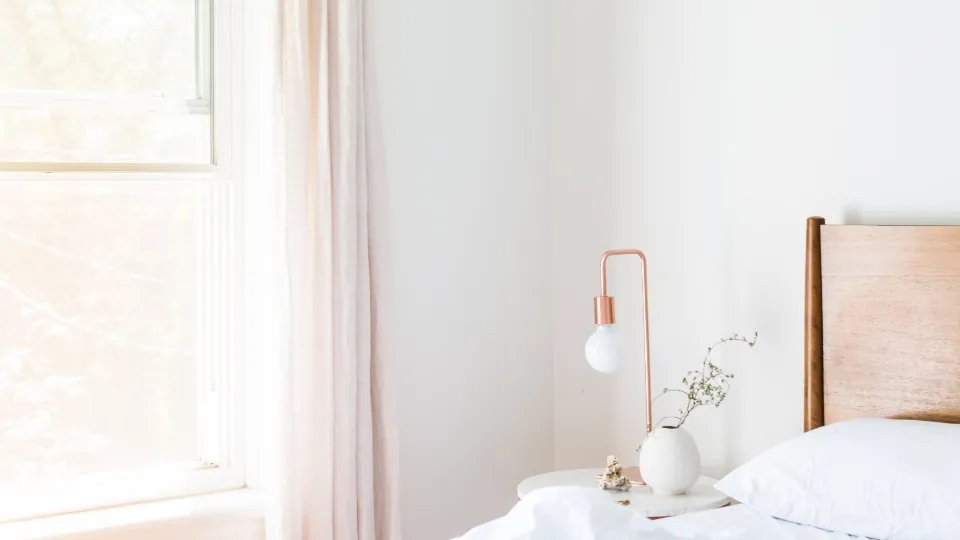
4. Make your bedroom sleep-friendly
Keep it dark, quiet and cool, and reserve your bed for sleep rather than work or scrolling.
5. Limit screens before bed
Phones and laptops keep your brain alert. Try putting devices away at least an hour before sleep.
6. Watch caffeine timing
Caffeine can stay in your system for many hours. Many people sleep better if they avoid coffee, tea, cola and energy drinks after midday.
7. Go easy on alcohol
Alcohol may help you fall asleep but tends to disrupt sleep later in the night, leaving you less rested.
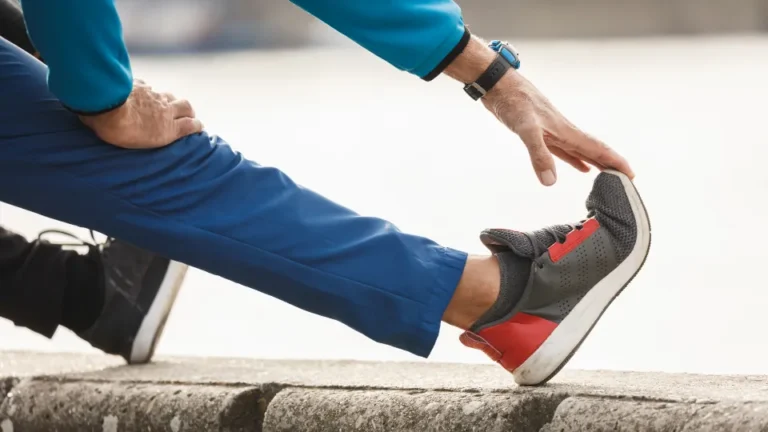
8. Move during the day
Regular physical activity supports deeper sleep. Try to finish vigorous exercise a few hours before bedtime. Our beginner fitness guide can help you get started.
9. Keep naps short
If you nap, keep it to 20 to 30 minutes and avoid late-afternoon naps that can make it harder to sleep at night.
10. Don’t lie awake worrying
If you cannot sleep after about 20 minutes, get up, do something calm in dim light and return to bed when you feel sleepy. Writing down worries earlier in the evening can also help.
The NHS offers more practical advice on how to get to sleep.
When to See a Doctor About Sleep
- Trouble sleeping most nights for several weeks
- Loud snoring, gasping or pauses in breathing during sleep, which can be signs of sleep apnea
- Severe daytime sleepiness, especially while driving
- Sleep problems linked to low mood, anxiety or pain
A doctor can check for underlying causes and discuss effective treatments, including talking therapies for insomnia.
A Sample Wind-Down Routine
- 60 minutes before bed: dim the lights and finish screens and work tasks.
- 45 minutes before: take a warm shower or bath.
- 30 minutes before: read a book or do gentle stretches.
- 15 minutes before: try slow breathing in bed with the lights off.
Food, Drink and Sleep
Large, heavy or spicy meals close to bedtime can make it harder to sleep comfortably, so aim to finish your main meal a few hours before bed. Going to bed very hungry can also disturb sleep; a light snack such as yogurt or a banana can help. Cutting back on fluids in the last hour before bed may reduce night-time trips to the bathroom.
Sleep, Shift Work and Travel
Shift work and jet lag disrupt your body clock. Keep your sleep space as dark and quiet as possible, use blackout curtains or an eye mask, protect a consistent sleep window where you can, and get daylight at the times you want to feel most alert.
Frequently Asked Questions
Is it bad to use my phone in bed?
Screens keep your mind alert and can delay sleep. Charging your phone outside the bedroom is one of the simplest ways to improve sleep quality.
Can I catch up on sleep at the weekend?
A little extra sleep can help, but large weekend lie-ins can shift your body clock and make Monday harder. A consistent schedule works best.
Rest Well, Live Well
Pick two or three habits from this list and try them for two weeks. Explore more in our Sleep & Recovery hub, see how sleep supports mood in our mental health resources, or visit the MagfuseHub.Com homepage.