Starting to exercise can feel intimidating, especially if you have been inactive for a while. The good news is that every bit of movement counts. This MagfuseHub.Com fitness guide explains how much activity adults need, how to start safely and how to build a routine you can actually keep.
How Much Activity Do Adults Need?
According to the World Health Organization, adults should aim for:
- 150 to 300 minutes of moderate-intensity aerobic activity a week, or 75 to 150 minutes of vigorous activity, or a combination of both
- Muscle-strengthening activities on two or more days a week
- Less time sitting, replacing it with activity of any intensity
- For older adults, activities that improve balance and strength on three or more days a week
If those numbers feel far away, do not worry. Doing some activity is better than doing none, and you can build up gradually.
Before You Start: Safety First
Most people can safely begin gentle activity such as walking. Speak to a doctor first if you have a heart condition, chest pain, dizziness, a recent injury or surgery, high blood pressure that is not controlled, diabetes, are pregnant, or are unsure whether exercise is right for you.
The Four Types of Exercise
1. Aerobic activity
Brisk walking, cycling, swimming and dancing strengthen your heart and lungs. Moderate intensity means you can talk but not sing.
2. Strength training
Squats, wall push-ups, lunges and resistance-band exercises build muscle and protect bones and joints.
3. Flexibility
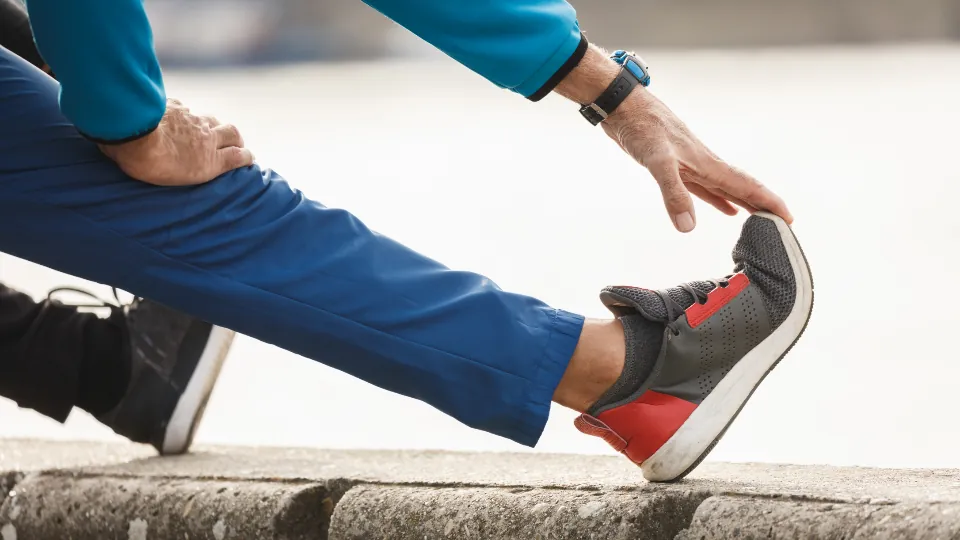
Gentle stretching keeps joints moving comfortably and can reduce stiffness.
4. Balance
Standing on one leg, heel-to-toe walking and tai chi help prevent falls, especially as we age.
A Simple Beginner Week
- Monday: 20-minute brisk walk
- Tuesday: 15 minutes of bodyweight strength (squats, wall push-ups, glute bridges)
- Wednesday: 20-minute walk or easy bike ride
- Thursday: rest or gentle stretching
- Friday: 15 minutes of strength plus 10 minutes of walking
- Saturday: 30 minutes of an activity you enjoy, such as dancing, swimming or hiking
- Sunday: rest and light stretching
Add five minutes to your walks each week, or one extra set to strength exercises, as they start to feel easier.
Warm Up, Cool Down and Listen to Your Body
Spend five minutes warming up with easy movement before exercise and a few minutes cooling down afterwards. Mild muscle soreness for a day or two is normal when you start. Sharp pain, chest discomfort, severe breathlessness or dizziness are signals to stop and seek medical advice.
How to Stay Consistent
- Schedule activity like an appointment.
- Start smaller than you think you need to.
- Choose activities you genuinely enjoy.
- Exercise with a friend or join a group.
- Track your minutes and celebrate progress.
A 15-Minute Home Workout (No Equipment)
Do each exercise for 40 seconds, rest for 20 seconds, and repeat the circuit two or three times:
- March or jog on the spot
- Chair squats
- Wall or knee push-ups
- Glute bridges
- Standing side leg raises
- Gentle plank on knees or toes
Fitting Activity Into a Busy Day
- Take the stairs instead of the lift.
- Walk or cycle for short journeys.
- Take a ten-minute walk after meals.
- Stand up and stretch every 30 to 60 minutes when working at a desk.
- Turn phone calls into walking meetings.
Common Beginner Mistakes
- Doing too much, too soon, which increases the risk of injury and burnout
- Skipping strength training and focusing only on cardio
- Ignoring rest days, when your body actually adapts and gets stronger
- Comparing yourself with others instead of your own progress
Frequently Asked Questions
Is walking enough exercise?
Brisk walking is an excellent form of moderate aerobic activity. For the full benefits recommended by the WHO, combine it with muscle-strengthening activities on at least two days a week.
How long until I see results?
Many people notice better mood and sleep within a couple of weeks. Changes in fitness and strength usually build over six to twelve weeks of consistent activity.
Keep Moving
Find more workouts and tips in our Fitness & Exercise hub, pair your routine with our sleep guide for better recovery, or explore everything on the MagfuseHub.Com homepage.