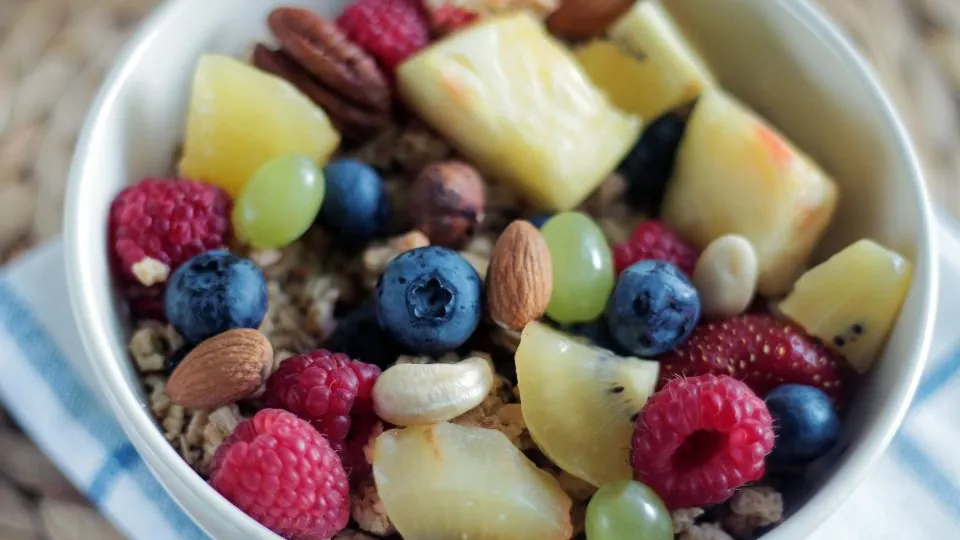
Healthy eating does not require a perfect diet, expensive superfoods or strict rules. It is built on a few simple, proven habits repeated over time. This MagfuseHub.Com nutrition guide walks you through seven practical steps based on guidance from the World Health Organization and national health services.
Step 1: Use the Balanced Plate
A simple visual guide works for almost any meal. Aim to fill about half your plate with vegetables and fruit, a quarter with whole grains or other starchy foods, and a quarter with a source of protein such as beans, lentils, fish, eggs, poultry, tofu or dairy. Add a small amount of healthy fat, such as olive oil or nuts.
Step 2: Eat More Vegetables and Fruit
The WHO recommends eating at least 400 g, or about five portions, of fruit and vegetables a day as part of a healthy diet. Fresh, frozen and canned options all count. Easy wins include adding vegetables to pasta sauces, keeping fruit visible and starting meals with a side salad.
Step 3: Choose Whole Grains and Fiber
Whole grains, beans, lentils, vegetables, nuts and seeds are rich in fiber, which supports digestion, helps you feel full and is linked with better heart health. Swap white bread, rice and pasta for whole-grain versions, and increase fiber gradually while drinking enough water.
Step 4: Cut Back on Added Sugar
The WHO advises keeping free sugars below 10% of daily energy intake, with further benefits below 5%. Sugary drinks are the easiest place to start: switch to water, sparkling water or unsweetened tea, and treat sweets and desserts as occasional foods.
Step 5: Watch the Salt
Too much salt is linked with high blood pressure. The WHO recommends less than 5 g of salt a day for adults, about one teaspoon. Most salt comes from processed foods, so cooking at home, checking labels and flavoring food with herbs, spices and lemon all help.
Step 6: Choose Healthier Fats
Favor unsaturated fats from olive and rapeseed oils, nuts, seeds, avocado and oily fish, and limit saturated fats from fatty meats, butter and many processed snacks. Avoid industrially produced trans fats wherever possible.
Step 7: Plan Ahead
A little planning prevents a lot of last-minute takeaways. Choose three to five main meals for the week, write a shopping list, batch-cook staples such as grains and beans, and keep healthy snacks such as fruit, yogurt and nuts within reach.
Reading Food Labels Quickly
- Check the serving size first.
- Compare sugar, salt and saturated fat per 100 g between similar products.
- Look for whole grains near the top of the ingredients list.
- Be wary of health claims on the front of the pack; the nutrition table tells the real story.
When to Get Personal Advice
Speak to a doctor or registered dietitian if you have a medical condition such as diabetes, kidney disease or food allergies, are pregnant, or are considering supplements or a major diet change. The NHS Eat Well guide is another helpful, trustworthy resource.
Easy Healthy Swaps
- Sugary drink → water, sparkling water or unsweetened tea
- White bread → whole-grain or wholemeal bread
- Crisps → a handful of unsalted nuts or plain popcorn
- Sweetened yogurt → plain yogurt with fresh fruit
- Butter for cooking → olive or rapeseed oil
- Processed meat → beans, lentils, eggs or fish
Don’t Forget Hydration
Drinks matter too. The NHS suggests aiming for around six to eight cups or glasses of fluid a day, with water, lower-fat milk and sugar-free drinks all counting. You may need more in hot weather or when you are active.
What a Balanced Day Can Look Like
- Breakfast: porridge made with milk, topped with berries and a few nuts
- Lunch: whole-grain wrap with beans or chicken, salad and a piece of fruit
- Snack: plain yogurt or an apple with peanut butter
- Dinner: salmon or tofu with brown rice and plenty of roasted vegetables
This is an example, not a prescription. Portions and choices depend on your age, activity level, culture, budget and health needs.
Frequently Asked Questions
Do I need supplements?
Most people can get the nutrients they need from a varied diet, but some groups, such as pregnant women or people with certain conditions, may benefit from specific supplements. Ask a doctor or pharmacist before starting one.
Is it OK to have treats?
Yes. Healthy eating is about your overall pattern, not single foods. Enjoy treats occasionally and in sensible portions.
Keep Learning
Explore more guides in our Nutrition & Diet hub, see how nutrition fits with other areas in our health topics tour, or return to the MagfuseHub.Com homepage.